Quick Answer
What can construction workers claim on tax?
Nepali construction workers and labourers in Australia may be able to claim work-related expenses such as eligible tools, protective clothing, safety boots, work-related phone use, training, union fees, licences, travel between work sites and other costs that directly relate to earning income.
You can only claim expenses you personally paid for, were not reimbursed for, and can support with records. Private costs, normal home-to-work travel, ordinary clothes and meals are generally not deductible.
Protective Clothing, Safety Boots and High-Vis Gear
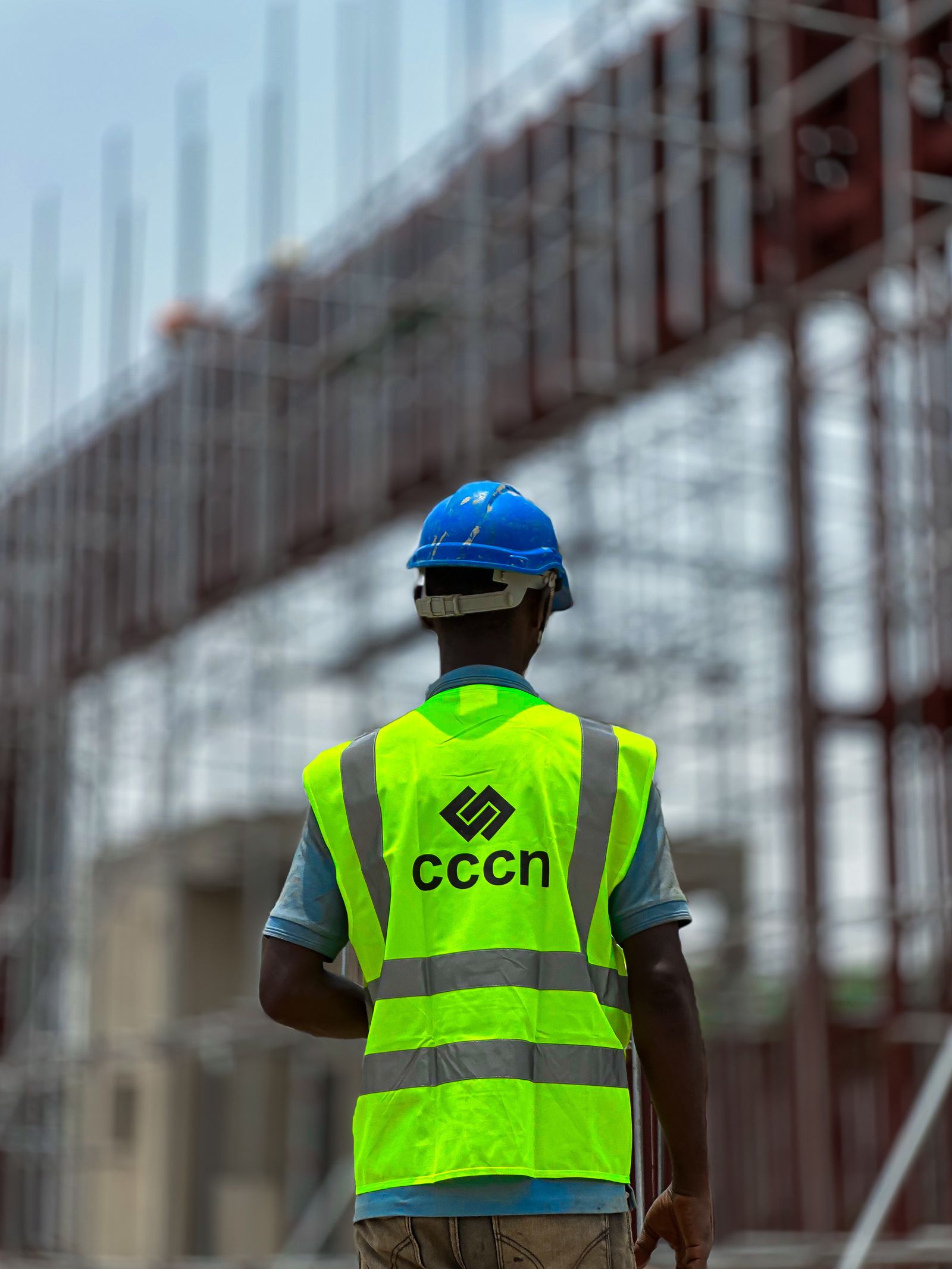
Construction workers may need protective clothing and safety gear because of workplace risks. Items such as steel-capped boots, hard hats, gloves, safety glasses, high-visibility gear, protective pants, ear protection and other PPE may be relevant where they are required to protect you from work-related risks.
Ordinary clothing is usually not deductible, even if you only wear it to work. The item needs to be protective, occupation-specific, part of a compulsory uniform, or meet the relevant clothing deduction rules.
- Steel-capped boots used for site safety
- Hard hats and helmets where personally purchased
- Safety glasses, gloves and ear protection
- High-visibility clothing required for site work
- Protective wet-weather gear where linked to work risks
- Protective pants, shirts or jackets where eligible
- Receipts showing the item, date and cost
Important clothing warning:
Jeans, normal shirts, hoodies and ordinary clothes are generally private expenses, even if they get dirty at work or you only wear them on site. Protective function and work-risk connection matter.
Laundry and Work Clothing Rules
If you have eligible protective clothing, occupation-specific clothing or a compulsory uniform, laundry costs may be claimable. You should keep a reasonable calculation and records showing how the laundry claim was worked out.
Laundry for ordinary clothes is generally not deductible. The clothing itself must first qualify under the work clothing rules before laundry claims are considered.
- Laundry of eligible protective work clothing
- Cleaning of eligible high-vis or PPE clothing
- Dry-cleaning receipts where relevant
- Separate work-only loads from mixed private loads
- Keep a reasonable calculation for the claim
Related guide:
Uniform, Work Clothing and Laundry Deductions for Nepali Workers
.
Car and Travel Expenses for Site Work
Car and travel expenses can be confusing for construction workers because many people work at different sites. Normal travel from home to work is generally private and not deductible.
Travel may be relevant where you travel between worksites, carry bulky tools because there is a practical work necessity, or your work duties require travel during the day. The rules depend on your work arrangement, site location, employer requirements, equipment, storage options and records.
- Travel between separate work sites during the workday
- Travel from one job location to another job location
- Work-related travel where required by duties
- Bulky tool transport may need careful review
- Logbook or cents-per-kilometre records where relevant
- Parking, tolls or public transport records where relevant
Travel warning:
Do not automatically claim everyday home-to-site travel. Even if the site changes, the claim needs to be reviewed based on the actual work arrangement and ATO rules.
Related guide:
Car Expenses Tax Deduction Australia
.
Phone and Internet Use for Construction Work
Construction workers may use phones for rosters, site instructions, safety apps, timesheets, maps, supervisor communication, job photos, invoices, ABN work, client messages and work-related calls.
If you use your personal phone or internet for work, you may be able to claim the work-related portion. Private use must be excluded, and you should keep phone bills, payment records and a reasonable calculation.
- Work calls and supervisor messages
- Roster and timesheet app use
- Site location messages and maps
- Work-related photos and documents
- ABN invoices and client communication
- Only claim the work-related portion
Related guide:
Phone and Internet Tax Deductions for Nepali Workers
.
Training, White Card and Licence-Related Costs
Some training, short courses, licences and certificates may be connected to current construction work. Examples may include white card, safety training, traffic control training, working at heights, first aid, machine tickets, site inductions and other job-related requirements.
Whether the cost is deductible depends on the connection to current work, who paid for it, whether you were reimbursed and whether it helps maintain or improve skills used in your current job.
- Work-related safety training
- White card or renewal-type costs where eligible
- Traffic control training where connected to current work
- Working at heights or equipment tickets where relevant
- First aid training where connected to current work
- Course receipts, certificates and payment records
Related guide:
Self-Education Tax Deductions for Nepali Workers
.
Union Fees and Work-Related Subscriptions
Construction workers may have union fees, industry association memberships, work-related subscriptions or professional registrations. These may be relevant where they directly relate to earning income and are not private or reimbursed.
- Union fees related to your work
- Work-related association fees
- Industry subscriptions where directly connected to work
- Receipts or payment summaries showing the fee
- Bank records showing payment
Meals, Night Shifts and Overtime: What to Be Careful With
Meals are a common mistake. Buying lunch, coffee, snacks or dinner during normal work is usually private, even if you are working long hours or on a construction site.
Overtime meal claims may only be relevant in specific situations, such as where an overtime meal allowance is paid under an industrial award or agreement and the conditions are met. You should not claim meals automatically.
- Normal lunch and daily meals are generally private
- Coffee, snacks and takeaway meals are usually private
- Overtime meal claims need specific conditions
- Allowances should be checked carefully before claiming expenses
- Keep payslips, allowance details and receipts where relevant
ABN Construction Workers and Labour Contractors
Some Nepali construction workers work under an ABN as contractors. ABN workers need to keep business records for income, expenses, GST registration where relevant, invoices, receipts, tools, vehicle use, subcontractor payments and business bank transactions.
ABN income should be declared correctly. Expenses should be business-related, properly recorded and separated from private costs.
Employee worker
Claims are generally work-related deductions connected to salary or wage income, with employer reimbursements excluded.
ABN contractor
Business income and expenses need proper invoicing, records, GST/BAS review and separation of private expenses.
Related guide:
TFN vs ABN in Australia
.
What Construction Workers Usually Cannot Claim
Construction workers should be careful not to claim private expenses or expenses that do not have a direct connection to earning income.
- Normal travel from home to work
- Ordinary clothes such as jeans, t-shirts or hoodies
- Daily lunch, coffee, snacks or normal meals
- Expenses reimbursed by an employer
- Private tools or equipment use
- Fines, penalties or personal costs
- Personal phone and internet use
- Training mainly for a future job or new career
- Cash expenses without proper records
Receipts and Records to Keep
Strong records are very important for construction worker deductions. Keep evidence showing what you bought, when you bought it, how much you paid, how it connects to work and how any work/private percentage was calculated.
- Tool and equipment receipts
- Safety gear and PPE receipts
- Protective clothing and laundry calculations
- Phone and internet bills
- Car logbook or kilometre records where relevant
- Parking, toll and travel records where relevant
- Training course invoices and certificates
- Union fee records
- ABN invoices and business records where relevant
- Bank statements showing payment
Common Tax Mistakes Construction Workers Make
Construction workers can miss valid deductions, but they can also overclaim if they do not separate private and work costs properly.
- Claiming ordinary clothes as protective clothing
- Claiming full phone bills without work-use calculation
- Claiming daily home-to-work travel automatically
- Not keeping tool receipts
- Not separating private use of tools or vehicles
- Claiming reimbursed expenses
- Mixing ABN income with employee income incorrectly
- Not keeping GST and BAS records as an ABN contractor
- Claiming meals without meeting overtime meal conditions
How Hamro Accountant Helps Nepali Construction Workers
Hamro Accountant helps Nepali construction workers, labourers, traffic controllers, site workers, trade assistants and ABN contractors across Australia prepare tax returns with proper record review and deduction guidance.
As a Nepali accountant in Australia, Hamro Accountant can explain deduction rules clearly, help review receipts and support you with employee tax returns, ABN income, GST, BAS, bookkeeping and business accounting.
- Construction worker deduction review
- Tool and equipment expense support
- Protective clothing and PPE review
- Car and travel record guidance
- Phone and internet work-use review
- ABN contractor income and expense support
- GST, BAS and bookkeeping help where relevant
- Online support across Australia
Official Source Links
These official ATO resources can help you understand building and construction worker deductions, tools, records and employee work expense rules:
Quick Checklist Before Lodging
Before lodging your construction worker tax return, prepare these records where relevant:
- Income statement or payment summary
- Tool and equipment receipts
- PPE and safety gear receipts
- Protective clothing and laundry records
- Phone and internet records
- Car and travel records where relevant
- Training and licence records
- Union fee records
- ABN invoices and expense records if applicable
- GST/BAS records if registered for GST
Important note:
This page provides general information only. Tax outcomes depend on your employment type, ABN status, work duties, site arrangement, tools, reimbursements, records, private use and personal circumstances. Speak with a registered tax agent for advice specific to your situation.
Need Help With Construction Worker Tax Deductions?
Hamro Accountant supports Nepali construction workers and labourers across Australia with tax returns, tools and equipment deductions, protective clothing, car expenses, ABN income, bookkeeping, BAS and GST support.
Start your tax return online or contact Hamro Accountant to discuss your work-related deduction records.