Quick Answer
What can Nepali cleaning workers claim on tax?
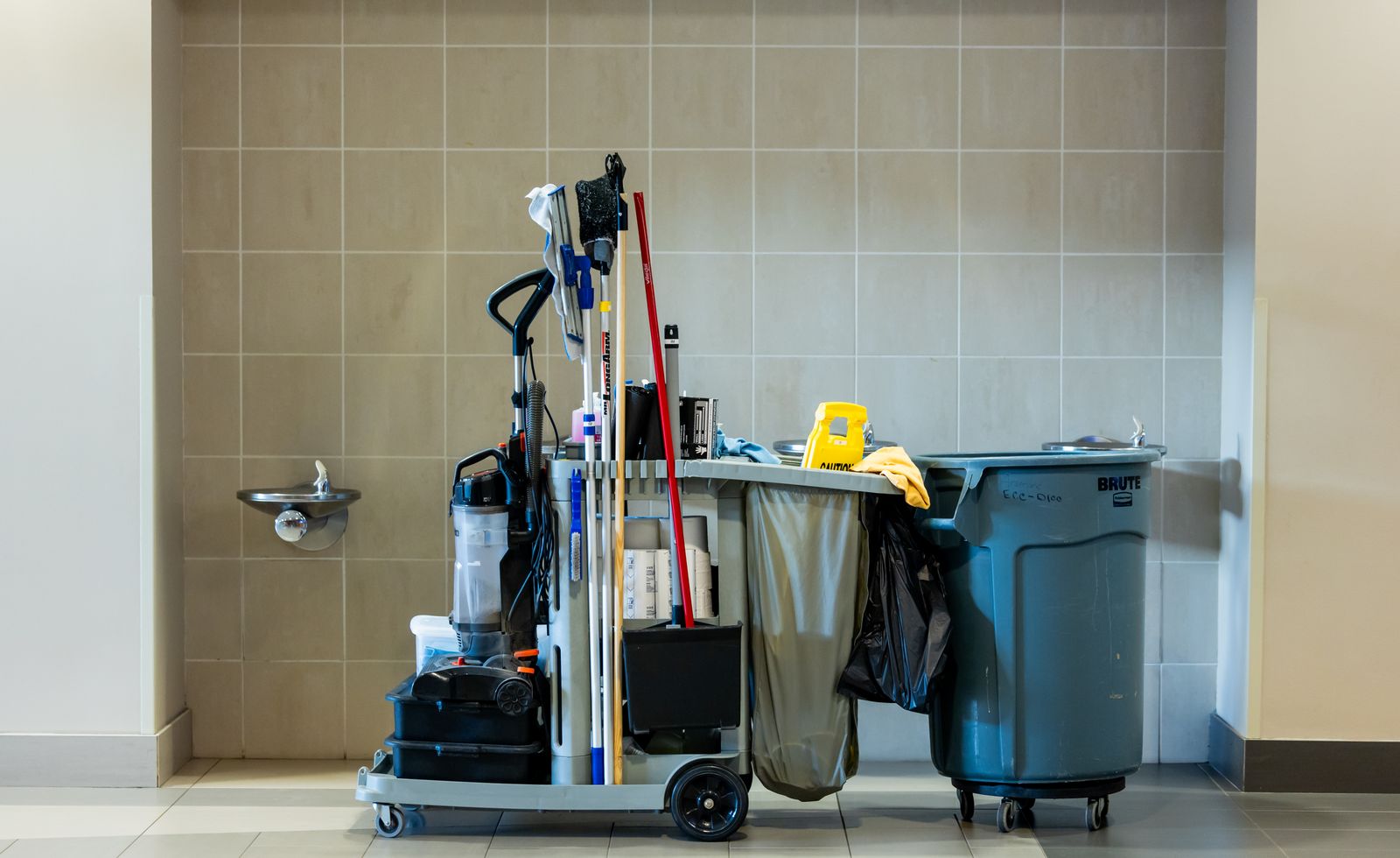
Nepali cleaning workers in Australia may be able to claim eligible work-related expenses such as protective clothing, certain uniforms, laundry, cleaning tools, cleaning supplies, work-related phone use, car travel between work sites and ABN-related business expenses, depending on their circumstances.
You generally need records to prove the expense, show that it directly relates to earning income, and only claim the work-related portion. Private expenses and ordinary travel from home to a regular workplace are generally not deductible.
Record Keeping
Why Cleaning Workers Need Proper Tax Records
Cleaning work often involves different job sites, early or late shifts, uniforms, gloves, safety items, cleaning products, equipment and sometimes ABN income. Because of this, proper record keeping is important before lodging your tax return.
Receipts, invoices, bank statements, logbooks, rosters, work diaries, payslips, income statements, ABN income reports and app records can all help support your tax return. The best record depends on the expense and whether you work as an employee or under an ABN.
- Keep receipts for tools, supplies, uniforms and protective items
- Separate work-related expenses from private expenses
- Keep a record of work-related car kilometres where relevant
- Track ABN income and business expenses clearly
- Keep evidence for phone and internet work-use percentage
- Store records safely before and after lodging your tax return
Employee Cleaner vs ABN Cleaner: Why It Matters
Tax rules can be different depending on whether you are an employee cleaner or working under an ABN as a contractor or sole trader. An employee cleaner usually receives salary or wages, has tax withheld by an employer and may receive an income statement through myGov.
An ABN cleaner generally needs to report business income and business expenses. ABN cleaners may also need to consider bookkeeping, GST, BAS and business records depending on their income level and work arrangements.
Employee cleaner
Usually reports salary or wages, tax withheld, allowances and eligible work-related deductions.
ABN cleaner
Usually reports business income, business expenses and may need stronger bookkeeping and BAS support.
Read more about the difference in our
TFN vs ABN in Australia
guide.
Car and Travel Expenses for Cleaning Jobs
Many cleaners travel between multiple work locations. You may be able to claim eligible travel between work sites or work-related travel during the day, depending on your situation and records.
Ordinary travel from home to a regular workplace is generally private and not deductible. However, travel between separate workplaces, travelling directly from one cleaning job to another, or carrying bulky equipment because it is required for work may need to be reviewed carefully.
- Travel between two separate cleaning job sites may be relevant
- Travel from one job to a second job may be relevant
- Car expenses need proper records and work-related calculation
- Private travel cannot be included in your claim
- ABN cleaners should keep clear business kilometre records
- Employee cleaners should keep rosters and work travel evidence
For a more detailed breakdown, read our
car expenses tax deduction guide
.
Phone, Internet and App-Related Expenses
Cleaning workers may use their phone for work calls, messages, rosters, GPS, job apps, invoices, client communication and ABN record keeping. If there is genuine work use, you may be able to claim the work-related portion.
You should not claim the full phone or internet bill unless it is used only for work. Most people need to calculate a reasonable work-use percentage and keep records showing how they worked it out.
- Work-related phone calls and messages
- Rosters, job apps and work communication
- GPS or map use for work-related travel
- ABN invoices and business communication
- Work-related portion only, not private usage
ABN Cleaner Tax, GST, BAS and Bookkeeping Support
Some Nepali cleaners work under an ABN as sole traders or contractors. ABN cleaning work can involve business income, business expenses, invoices, bank records, receipts, GST questions and BAS obligations depending on the business situation.
Hamro Accountant can support ABN cleaners with tax return preparation, income and expense review, bookkeeping, BAS and GST-related discussion where relevant.
- ABN cleaner tax return preparation
- Cleaning income and invoice review
- Business expense record organisation
- Bookkeeping setup and support
- BAS and GST support where relevant
- Cleaning business accounting support
Common Tax Mistakes Cleaning Workers Should Avoid
Cleaning worker tax returns can become messy when there are missing receipts, mixed private and work expenses, unclear car records, ABN income confusion or incorrect clothing claims.
- Claiming ordinary clothing as a work uniform
- Claiming the full phone bill without calculating work use
- Claiming private travel from home to regular work
- Forgetting to include ABN cleaning income
- Claiming items reimbursed by an employer or client
- Not keeping receipts for cleaning tools and supplies
- Mixing household cleaning items with work expenses
- Not separating personal and business bank transactions
How Hamro Accountant Helps Nepali Cleaning Workers
Hamro Accountant helps Nepali cleaning workers, ABN cleaners and small cleaning business owners understand their tax position, organise records and prepare tax return information correctly.
Whether you are a student working part-time, an employee cleaner, a night-shift cleaner, an ABN cleaner, a subcontractor or a small cleaning business owner, our team can provide tax and accounting support based on your circumstances.
- Tax return support for Nepali cleaning workers
- ABN cleaner and sole trader tax return support
- Work-related deduction review
- Car expense and travel record discussion
- Uniform, protective clothing and laundry guidance
- Bookkeeping, BAS and GST support where relevant
- Online tax support across Australia
Official Source Links
These official ATO resources can help cleaning workers understand deduction rules and record keeping requirements:
Quick Checklist Before Lodging
Before lodging your cleaner tax return, prepare the following where relevant:
- Income statement or payslips
- ABN income records and invoices
- Cleaning tools and supply receipts
- Uniform, protective item and laundry records
- Phone bill and work-use calculation
- Car kilometre or logbook records
- Bank statements for business income and expenses
- BAS, GST and bookkeeping records if applicable
Important note:
This page provides general information only. Tax outcomes depend on your income, work arrangement, ABN status, records, reimbursements, employer requirements, business structure and personal circumstances. Speak with a registered tax agent for advice specific to your situation.
Need Help With a Cleaner Tax Return?
Hamro Accountant supports Nepali cleaning workers, ABN cleaners and cleaning business owners across Australia with tax returns, deductions, ABN income, bookkeeping, BAS and GST-related support.
Start your tax return online or contact Hamro Accountant to discuss your cleaning worker tax return.